When women lead, equality follows.
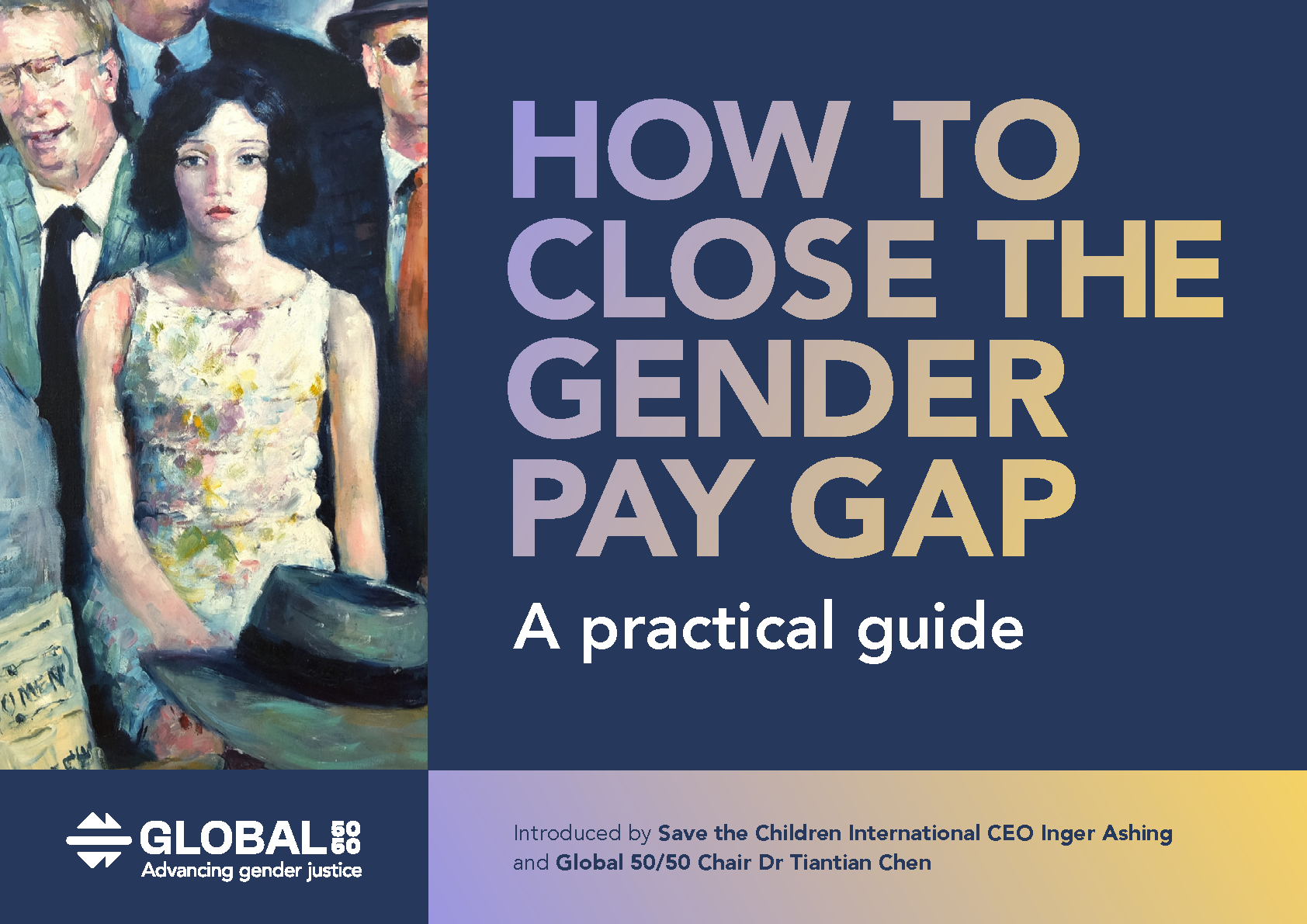
Closing the gender pay gap requires action. This practical guide sets out the steps organisations can take to close the gender pay gap and address the systems and barriers shaping women’s experiences at work.
Featuring insights from leaders and organisations working across the global health sector, the guide highlights practical approaches that can help employers create fairer, more inclusive workplaces.
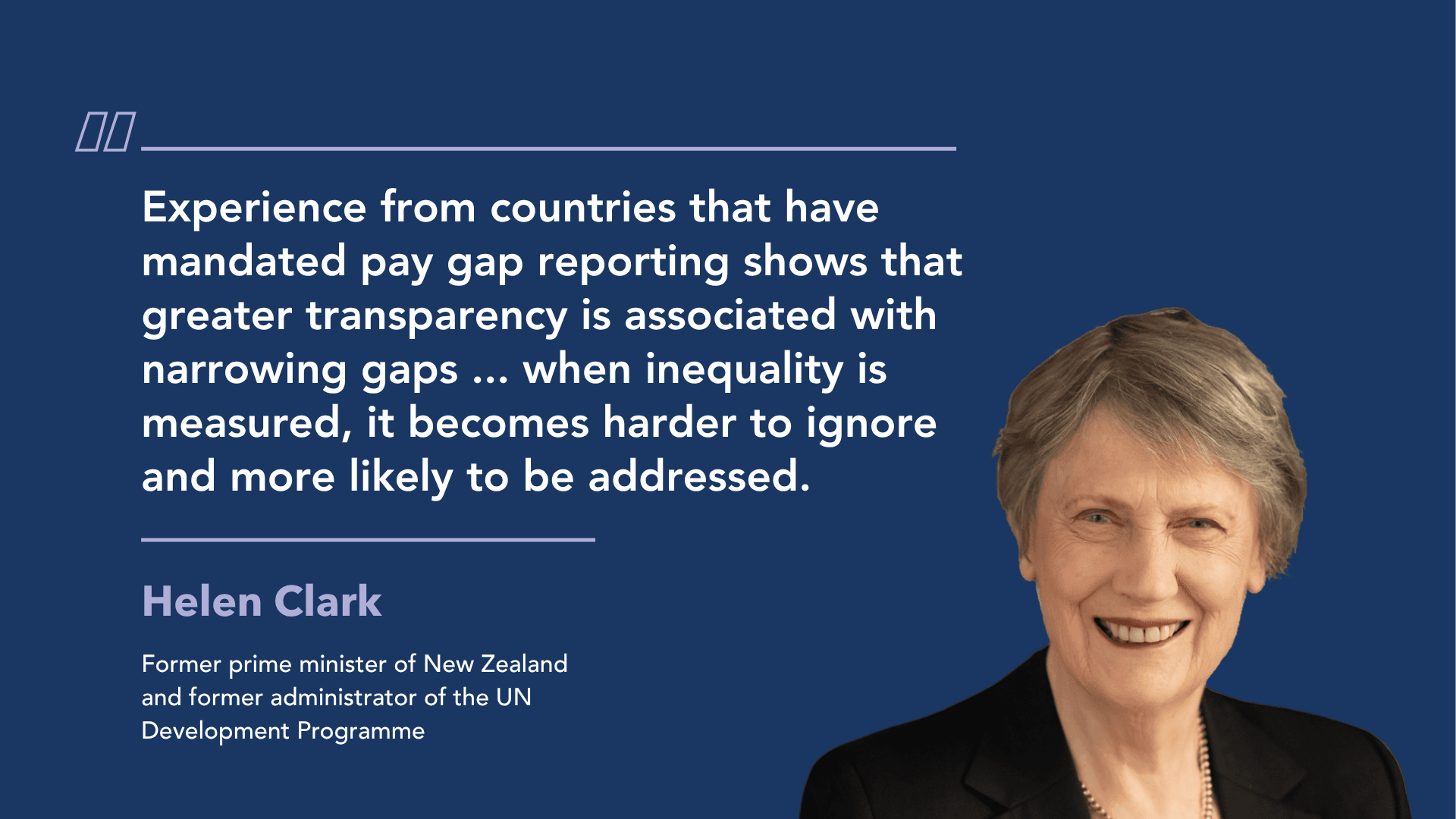
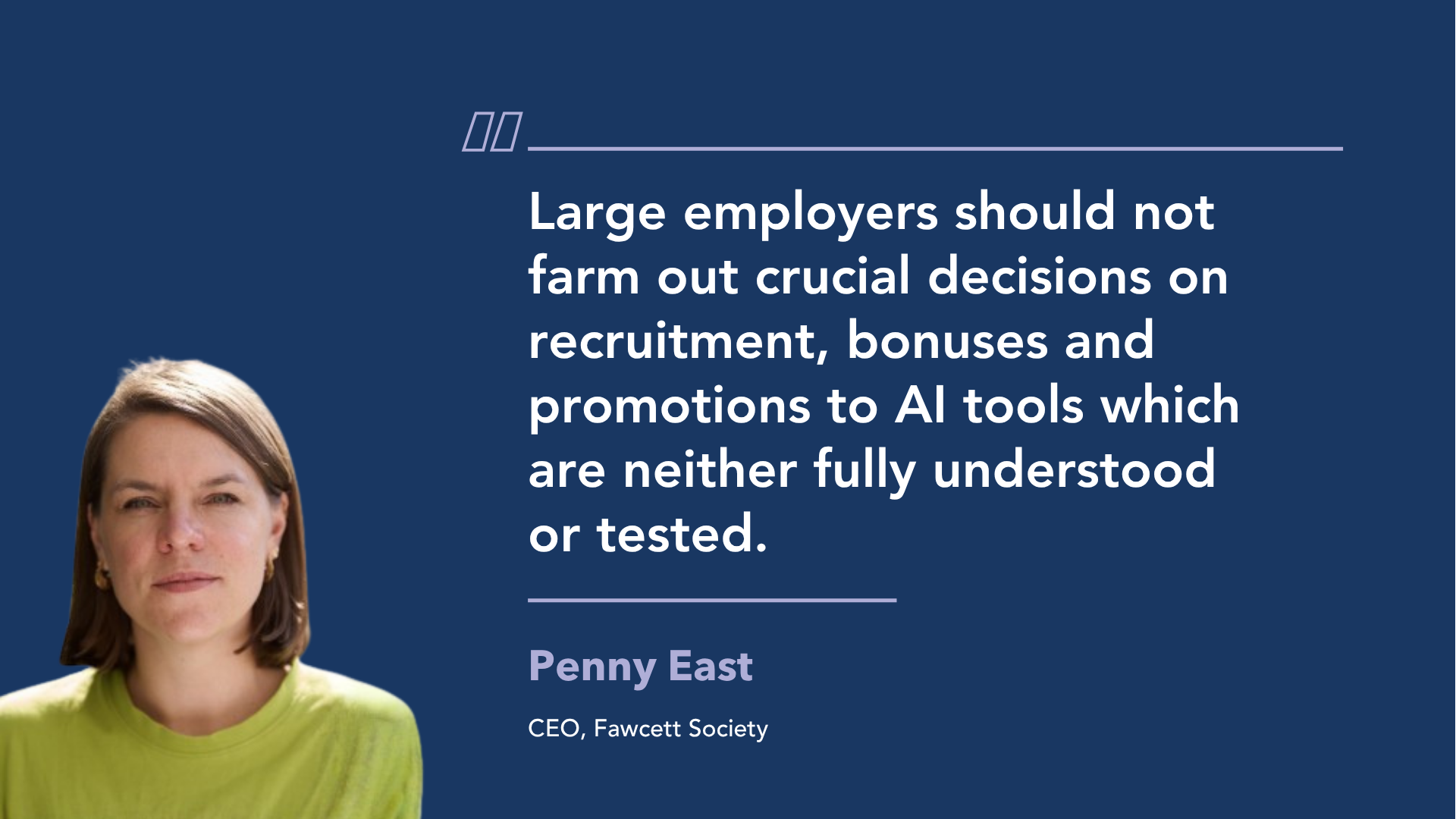
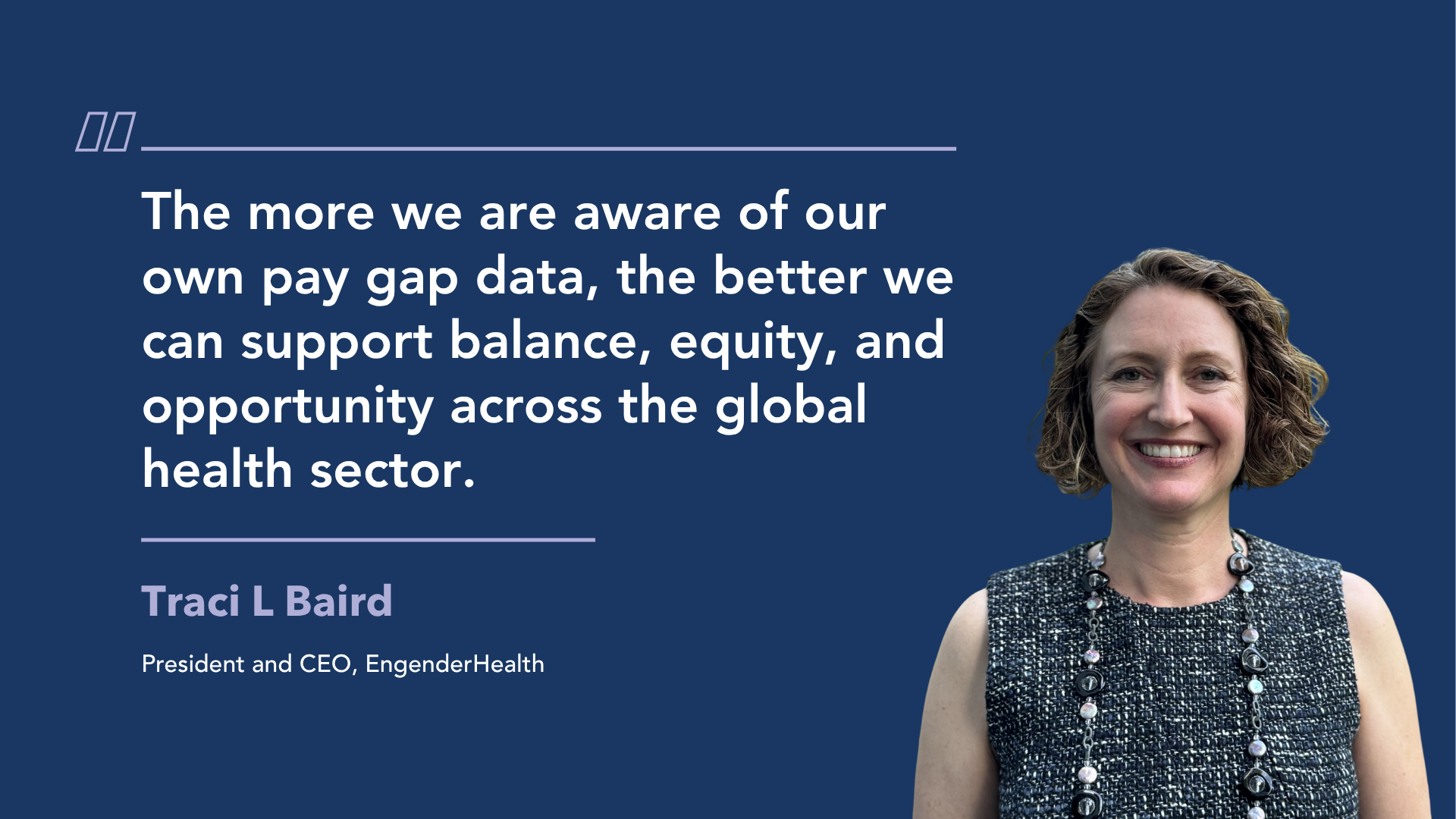
Learning from organisations taking action
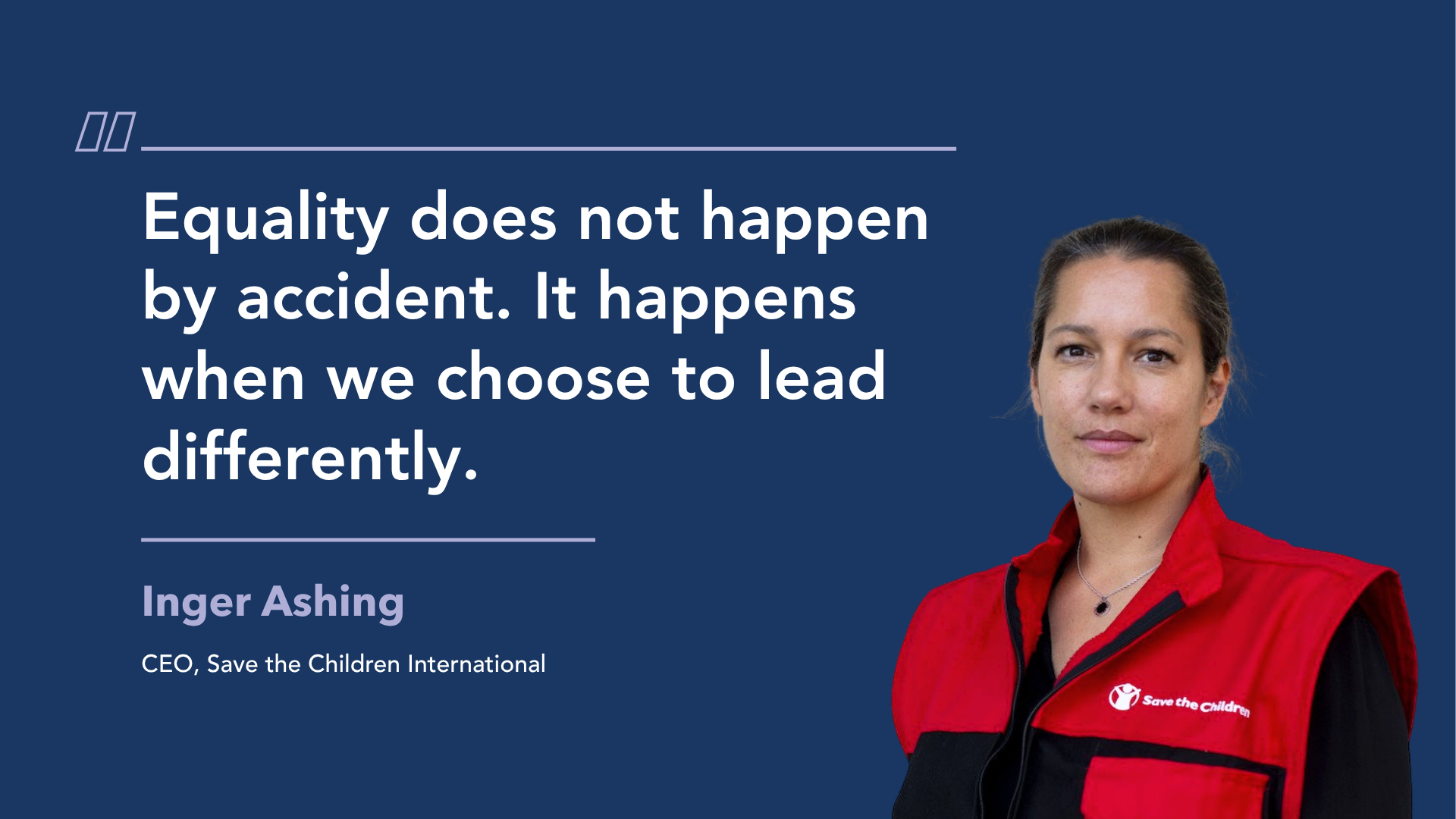
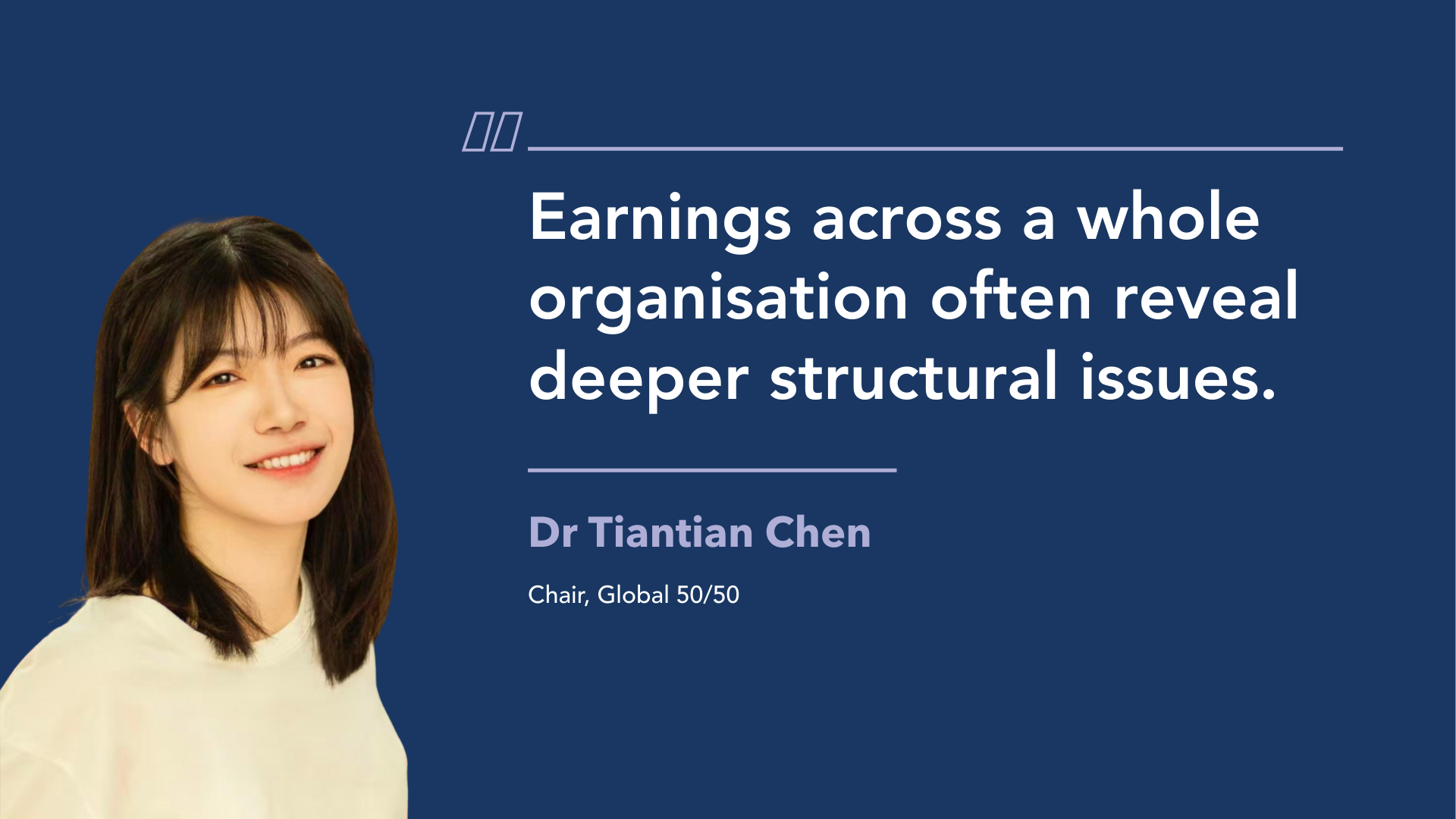
The guide includes real-world reflections and case studies from organisations working to address the gender pay gap in practice:
- Save the Children International
- EngenderHealth
- Islamic Relief Worldwide
These examples highlight what organisations are doing, what they are learning, and what others can take from their experience.
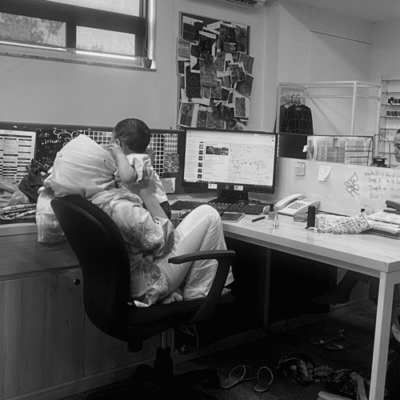
‘Free Childcare’ by Mehreen Zain
Three areas for action
Closing the gender pay gap requires sustained action across the employment lifecycle. The guide provides practical advice clustered around three key areas:
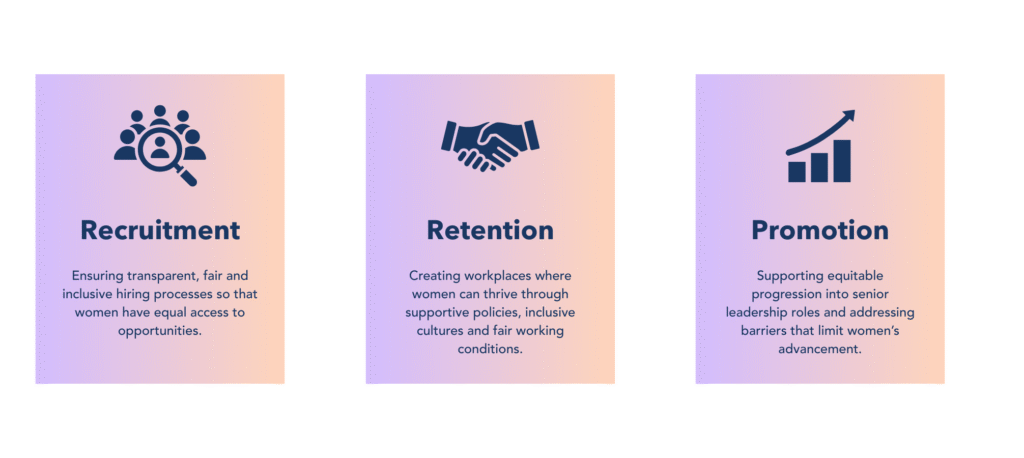
Together, these actions help organisations address the structural drivers of the gender pay gap.
Next steps
Guidance for UK-based organisations
From April 2026, the UK Employment Rights Act will require employers with more than 250 employees to publish annual equality action plans.
These plans—voluntary in the first year and mandatory thereafter—must set out how organisations are addressing the gender pay gap and supporting employees during menopause.
This guide helps organisations think about the practical steps they can take to meet these expectations and strengthen workplace equality.
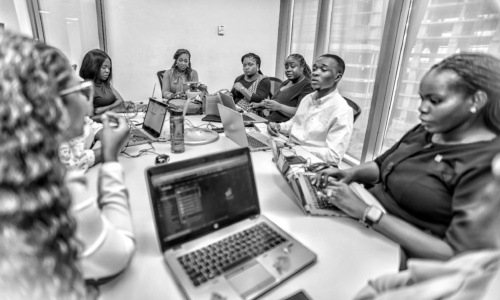
‘Access W Banking’ by Aderemi Davies “AyaworanH03D”
A global challenge
The gender pay gap is a global issue.
While discrimination laws differ across countries, many of the systems and barriers shaping women’s experiences at work are shared across contexts, including unequal access to leadership opportunities, occupational segregation, and the unequal distribution of unpaid care work.
The principles outlined in this guide are therefore relevant to employers everywhere.
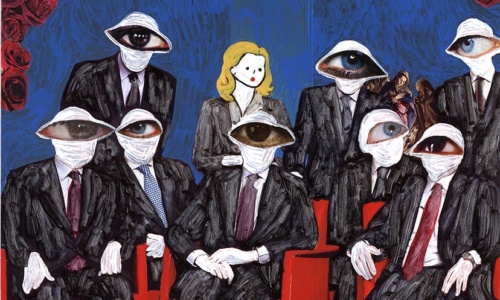
‘Eyes Always Lie’ by Silvia Viana
Further reading
Closing the Gap?
This report presents evidence on gender pay gaps across 45 UK-based organisations active in global health.