
Counted out
Across four major global climate-health monitoring frameworks, we find almost none measure how women and men are affected differently.
Climate change is harming health in every region of the world, and its hazards work along the lines of gender and power. We track how the organisations and frameworks responding to climate change measure, report and respond.
Our climate and health work asks the questions we put to every sector: who holds power, who makes decisions, who gets counted? Our research assesses whether global climate responses recognise the role of gender in driving risk and vulnerability, and whether the frameworks that monitor the impacts of climate change on people’s lives show who is most affected and if they are being reached.
Across four major global climate-health monitoring frameworks, we find almost none measure how women and men are affected differently.

As Earth’s natural systems deteriorate, marginalised communities bear the brunt, often excluded from solutions. Our report delves into whether critical gender considerations shape global responses to planetary health crises.
This brief sets out what decision-makers can do now, while the Belém Adaptation Indicators are still being defined, to make sure the people most at risk are counted.
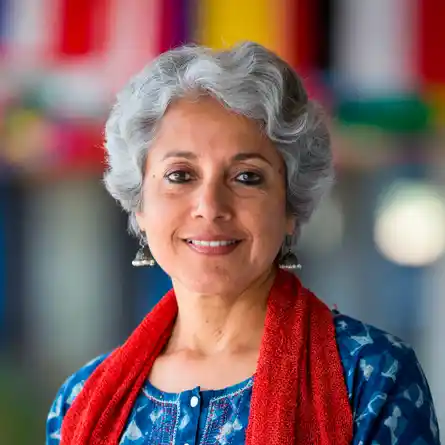
As the groundbreaking report from Global Health 50/50 and the Sunway Centre for Planetary Health reveals, gender-transformative action remains remarkably absent from most planetary health efforts.Dr. Soumya Swaminathan, former Chief Scientist of the World Health Organization
measuring health impacts in major global climate frameworks are reported by sex/gender
held by nationals of low-income countries among organisations working on planetary health
planetary health activities did not mention gender