Raising the bar: IBA’s phase two findings and what must change
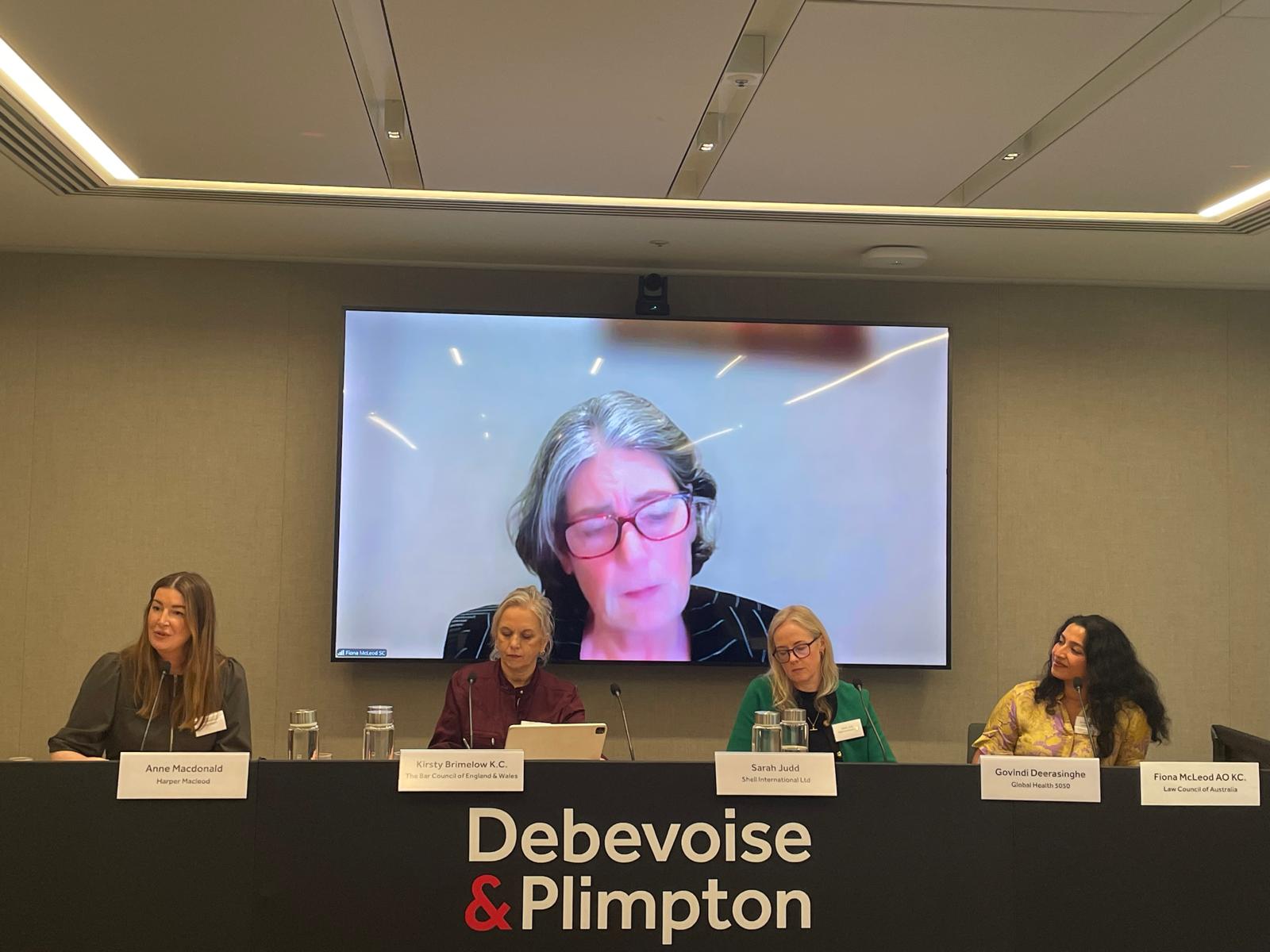
Global 50/50 joined the International Bar Association’s to discuss the experiences of women in the global legal profession and the policy levers that could shift systems.
A new accountability mechanism to drive change in the global law and justice system.
Since 2017, Global Health 50/50 (GH5050) has been a leading voice in advancing gender equality and accountability within global health. Through rigorous research, evidence-informed advocacy, and strategic engagement with key stakeholders, we have driven measurable progress in transparency and institutional change across global health organisations.
Now, recognising the critical role that the law and justice sector plays in shaping gender equality and access to justice worldwide, we are expanding our proven model of research and accountability into this sector. Global Justice 50/50 (GJ5050) applies the same robust methodology that has catalysed transformation in the health sector to the institutions that uphold justice and the rule of law, ensuring gender equality is not just a principle, but a practice within the structures that govern societies.
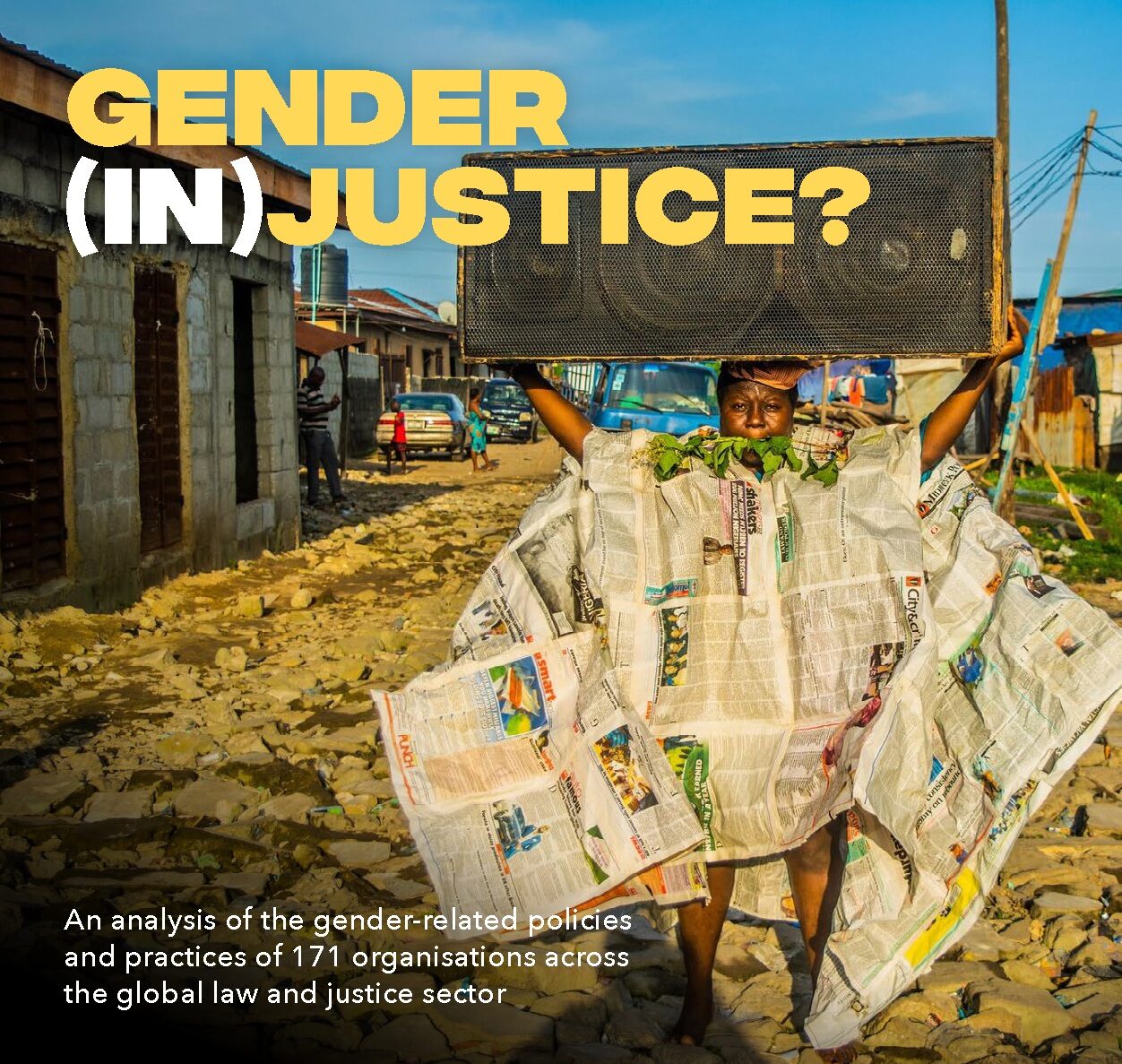
The inaugural Global Justice 50/50 report examines gender equality in leadership, policy, and institutional practice across 171 organisations that uphold justice and the rule of law.
As United Nations Deputy Secretary-General Amina J. Mohammed has underscored, GH5050’s approach aligns with the 2030 Agenda by recognising the interdependence of the Sustainable Development Goals. She has called for other sectors to follow suit, embedding gender analysis and accountability deep within global systems to achieve inclusive and sustainable development that leaves no one behind.
This initiative is backed by some of the world’s most respected voices in gender equality and justice, including:
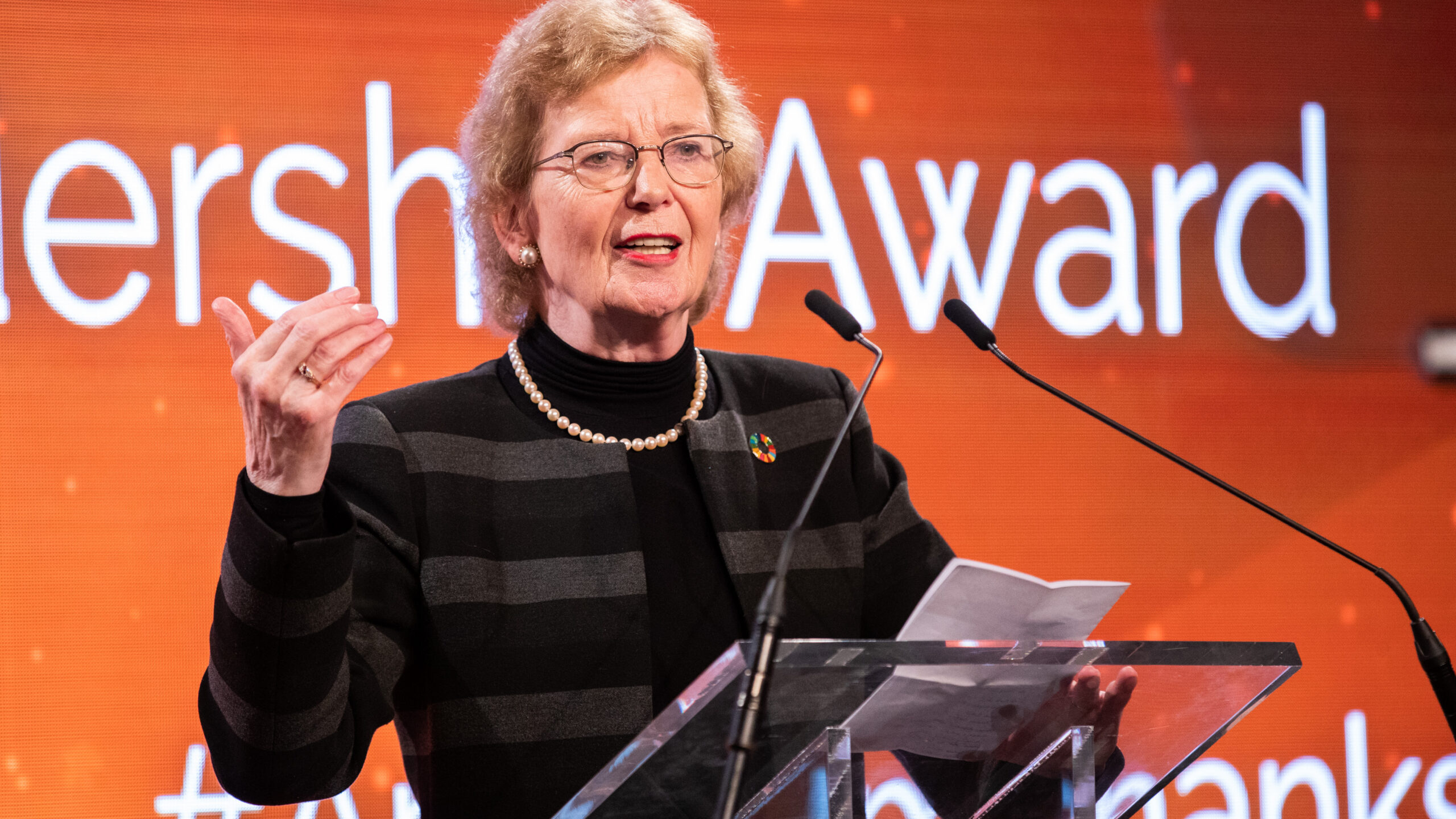
Justice does not exist in isolation. It intersects with economics, with climate, with health, and with politics. If we are to build a just future, we need a systemic response that spans every sphere of society. Because without gender justice, there is no justice at all. Global Justice 50/50 promises to contribute to the building of just legal systems around the world – ensuring every voice counts.Mary Robinson, Former President of Ireland and Former UN High Commissioner for Human Rights
The justice sector is central to upholding the rights of all individuals across the world, ensuring equal treatment under the law, and shaping societies that are fair and just. Yet, gender inequality persists at every level of the legal profession and judicial system.
Women make up 50% of lawyers in many countries, yet they remain vastly underrepresented in leadership positions within the judiciary, legal professional associations, and global legal institutions (International Bar Association, “50:50 by 2030 – A Longitudinal Study into Gender Disparity in Law: Progress Report”, 2024).
Gender imbalances in power structures within the justice sector have far-reaching consequences, shaping whose voices influence legal systems, whose rights are prioritised, and how justice is delivered. Achieving gender-equitable leadership is critical to addressing systemic inequalities and fostering fairer outcomes. Evidence, such as IDLO’s literature review (2018), highlights that women judges often improve justice outcomes for women and girls by challenging gender bias and stereotyping. However, persistent career inequalities – such as barriers to entry, promotion, and retention for women and marginalised groups – must be addressed to ensure justice systems are both representative and effective.
GQUAL Campaign, “GQUAL Rankings,” 2023
World Bank, “Women, Business and the Law,” 2022
International Bar Association, "Women in Commercial Legal Practice," 2017
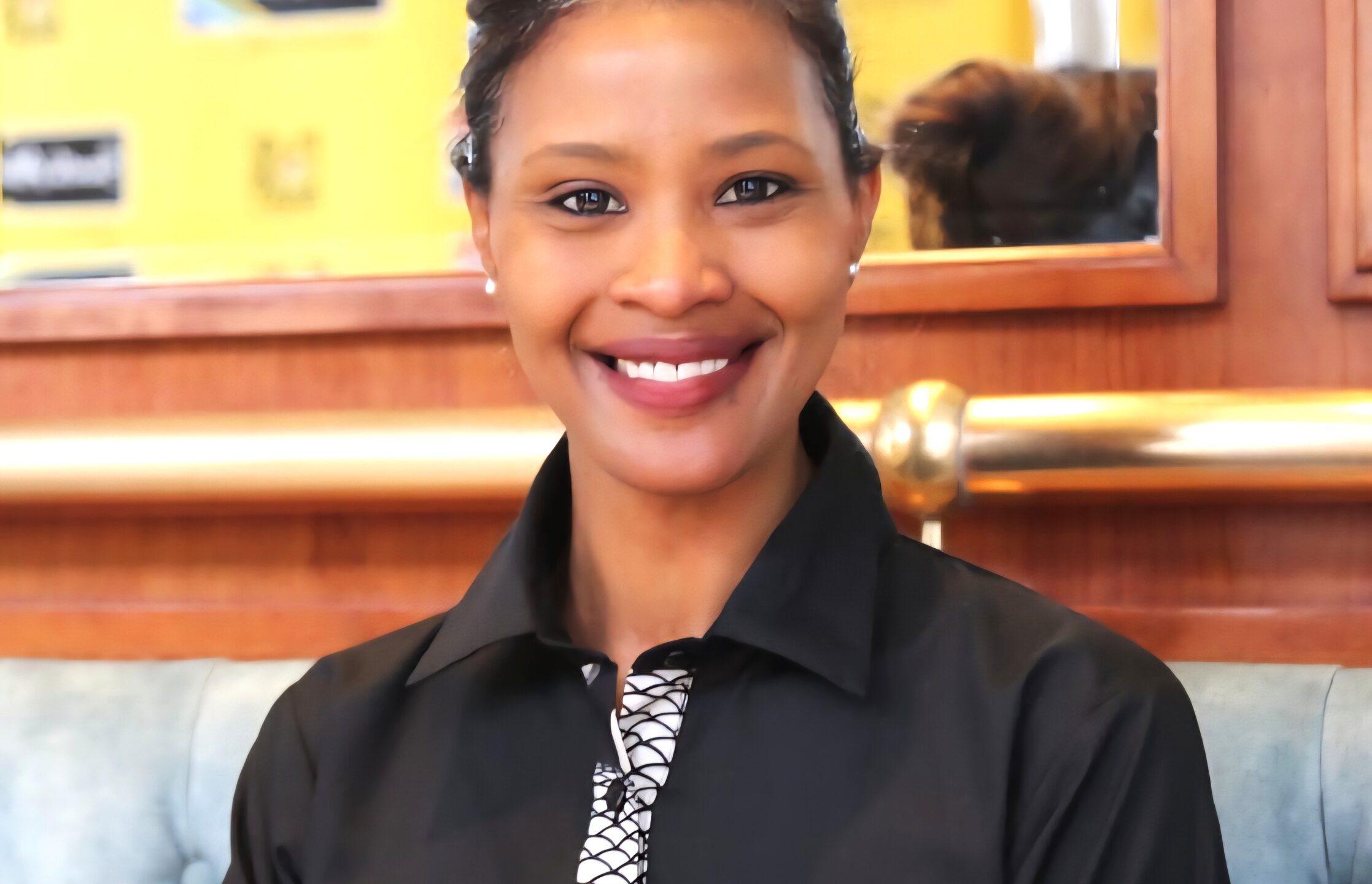
Global Justice 50/50’s inaugural Report lays bare systemic injustice by exposing who is missing from positions of power – particularly women from low- and middle-income countries. The Report underscores the urgent need to redistribute power, influence and resources within justice systems.Melene Rossouw, Founder, Women Lead Movement
Global 50/50 joined the International Bar Association’s to discuss the experiences of women in the global legal profession and the policy levers that could shift systems.
Govindi Deerasinghe, our Justice Sector Lead, on the new podcast series from the International Association of Women Judges speaking on the power of data to transform the justice sector

FEMNET and Co-Impact co-hosted a convening in Nairobi, bringing together legal professionals, feminist leaders, advocates and media professionals from across the continent and beyond.
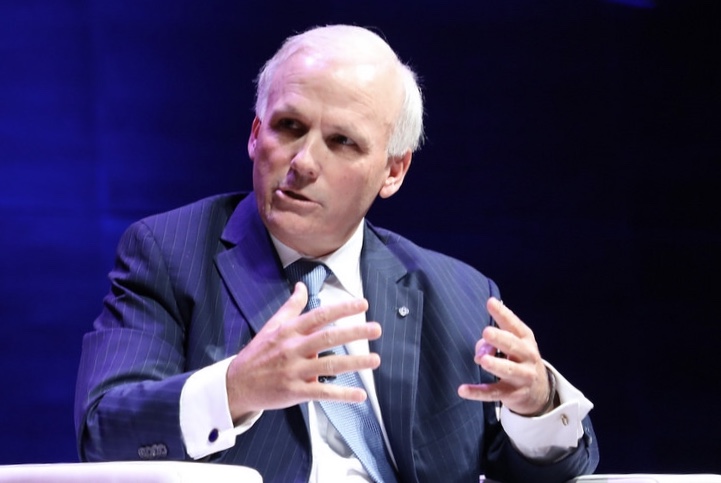
Justice systems are strongest when they reflect the societies they serve. Expanding women’s leadership across law and justice, from all regions of the world, supports better decision-making, fairer outcomes, and public confidence. By combining leadership data with analysis of institutional policies, the inaugural Global Justice 50/50 Report shines a light on both progress and remaining disparities, providing a constructive basis for collective action.Mark Ellis, Executive Director, International Bar Association
Through this comprehensive approach, Global Justice 50/50 provide the most detailed and systematic assessment of the gender-related policies and practices, and identify who leads the law and justice sector globally.
Explore organisation’s performance in the Gender & Justice Index
Independent collection of publicly available data on gender-related workplace policies, leadership demographics, and practices to achieve equal opportunity for leadership.
Internal validation of data by dual researcher reviews to ensure accuracy, complemented by external verification through direct engagement with organisations to confirm accuracy and enhance transparency.
Benchmarking performance through the creation of the Global Gender & Justice Index, the first of its kind in the legal sector.
Engagement with organisations, media, and advocacy groups to drive accountability and change.
For a comprehensive overview of our approach and methodology, you can explore the full details here: Research framework & methods
Global Justice 50/50 is built on collaboration. Our work is guided by a powerful advisory council and strengthened by a network of partners—organisations and individuals who share our commitment to gender equality and accountability in the law and justice sector.
We are proud to be part of the Women in Leadership in Law Coalition, alongside the Asia Justice Coalition, the Clooney Foundation for Justice, FEMNET, GQUAL Campaign, IAWL~ Institute for African Women in Law, International Association of Women Judges, Purpose, and the University of Johannesburg. The 2026 Global Justice 50/50 Report was funded by Co-Impact.
Together, we are ensuring that justice systems worldwide are held to account for gender equality at every level.