
Mapping Women’s health strategies in ASEAN
When the mountain won’t move, healthcare must, Gina C. Meneses
From Maternal Health to Women’s Health
Across Southeast Asia, women are living longer, spending more years in the workforce, and navigating changing social, economic, and digital environments. While ASEAN countries have made significant progress on improving maternal and reproductive health, policy frameworks have yet to capture the full breadth of health risks facing women today across their lives.
This report from Global 50/50 and Monash University Malaysia reviews recent national health strategies across all 11 ASEAN Member States and finds that women’s health is consistently present in policy, but most often framed around maternal and reproductive programmes. The report argues that the next phase of policy development should build on these strong foundations and extend toward a more comprehensive life-course approach to women’s health as a foundation for inclusive and resilient societies.
Why this matters
Women’s health is increasingly central to economic participation, caregiving capacity, and healthy ageing, with direct implications for household resilience, labour market inclusion, and the long-term sustainability of health systems. As populations age, workforces evolve, and disease patterns shift, investing in women’s health beyond maternal care is increasingly important for inclusive and resilient societies.
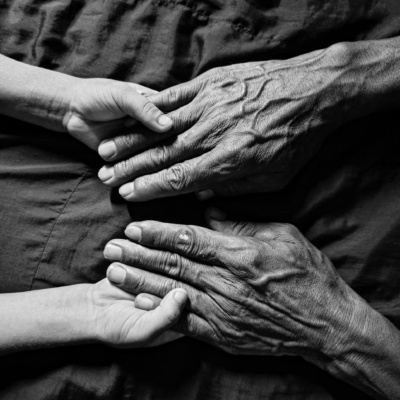
A key insight emerging from this analysis is that while women’s health continues to be strongly supported through maternal and reproductive health programmes, there is growing scope to further strengthen policy frameworks that address women’s health needs across the life course.
This analysis provides a foundation for deeper country-level work and policy dialogue to support implementation, including through targeted and practical investments in priority areas. It reflects a shared commitment to evidence that supports governments and partners across the region. We hope it contributes to regional dialogue, research and to continued progress for the health and wellbeing of women and girls across ASEAN, and look forward to supporting further work of this kind across the region.
Taking action
This analysis highlights practical opportunities to strengthen national approaches to women’s health. It also points to a clear role for partners and funders in helping countries turn existing policy commitments into more comprehensive, life-course approaches.