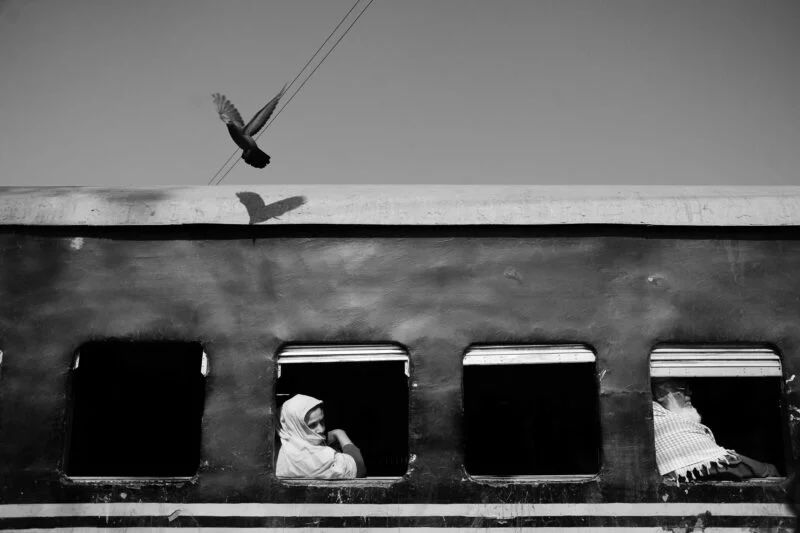
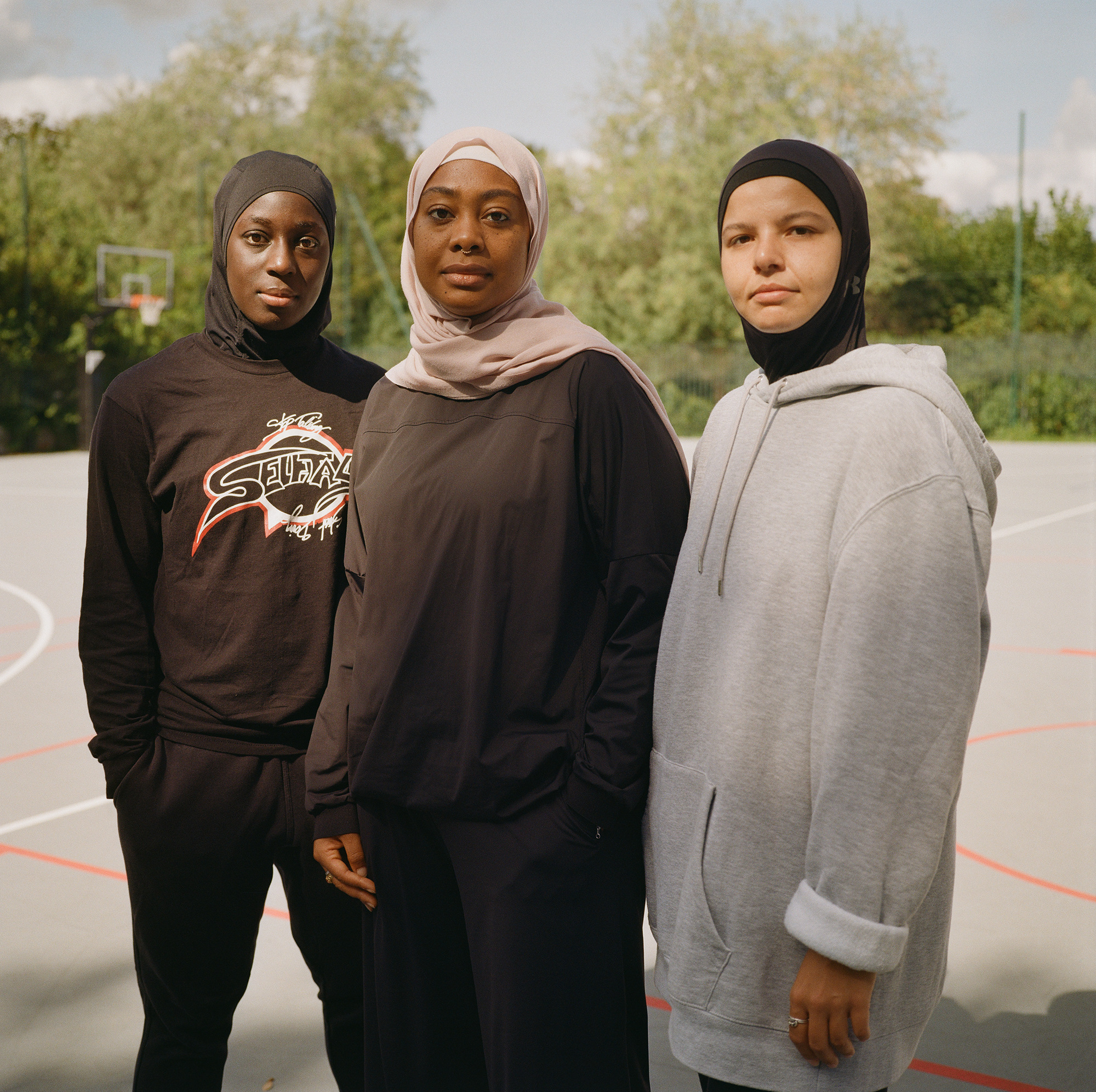
Fragments of Identity, Nan Zhao

The organised many: a gender justice agenda for action

In 2026, more than 150 gender justice leaders, from grassroots women’s rights organisations to multilateral agencies, came together across four convenings and a survey of the field. This Action Agenda is the outcome - five priority actions for gender justice.

Read the action agenda

The moment we are in

Gender justice is up against a real and rising opposition: well-resourced, coordinated and disciplined, waging a global campaign against the people, organisations and systems working for equality. By wielding financial, narrative, political and organisational power, the anti-gender, anti-rights opposition has overturned laws, dismantled the institutions built to advance equality, and disrupted lives.

In Holding the Line (2025), for the first time since monitoring began, Global 50/50 recorded regression on every variable we track – reversing the steady gains of 2020 to 2024. But the current rollback on rights, justice and equality is not inevitable – it is constructed and can be de-constructed. If we organise, fund the work and hold the line together, this moment becomes an opening, not a loss. No single organisation can do this alone; advancing this agenda will take partners, funders and allies across the movement.


 

The train of weaponisation of gender has been coming down the tracks for years. What’s changed is that we’re now seeing it reach inside our own institutions: disbanded gender teams, restricted language, the disappearance of the people we used to work with in governments and multilaterals. At Global 50/50 we are focused on how we reverse it – together, with more joined-up strategies than we’ve ever attempted before.
Sarah Hawkes, Co-CEO, Global 50/50

The action agenda

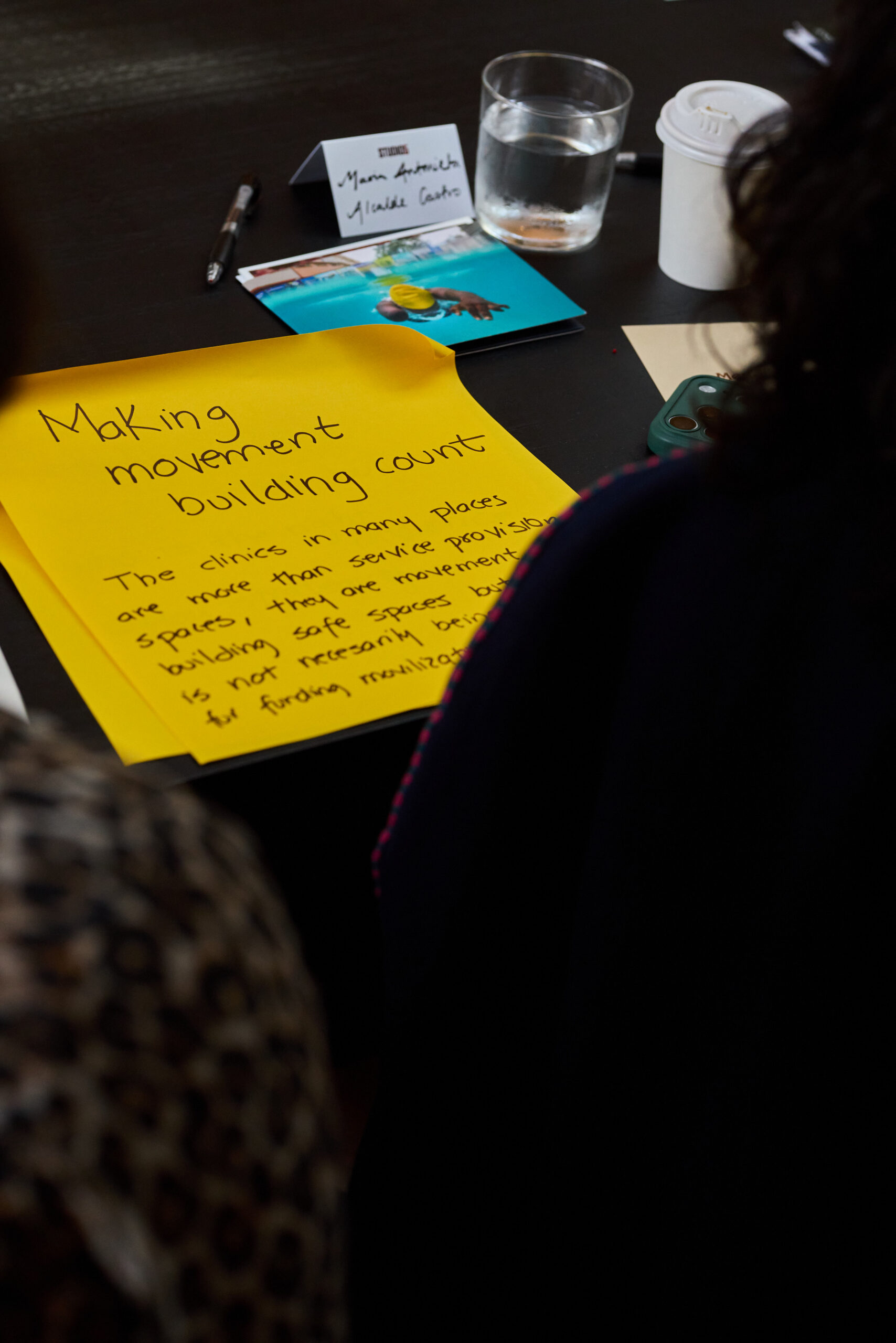
Over the first half of 2026, Global 50/50 brought together more than 150 gender justice leaders across four convenings and a survey of the field. Analysing those conversations for their strategic recommendations, we identify five priority actions – actionable, time-bound opportunities for the movement.

Read the full report Download the summary

01 Get political and organised around power

The field is fighting a political battle with a technical toolkit. Better strategies mean mapping where anti-gender actors hold power and where the movement’s own openings and allies lie, and making it politically costly to side with the opposition rather than merely virtuous to stand against it.

02 Connect the movements and resource a shared infrastructure

Feminist movements have long distinguished the kind of power that the opposition wields from the power of acting together and claiming one’s own standing to act. Participants called for a cross-movement alliance built on a handful of priorities the field can win, not a coalition of everything – sustained by regular convening, a shared digital hub, and a live map of the people, funds and networks the movement can already call on.

03 Reposition strategic communications and narrative capacity as foundational and fund it

The opposition treats communications as its first investment; too often the field has treated it as the budget line to cut. Moving from defence to offence means resourcing feminist communications as core work: turning evidence into narrative, and reaching the sympathetic majority in the languages, channels and cultures where the contest is actually decided.

04 Change how the work is funded, and make the gender-responsive investment case

Give more, give core, give flexibly. Funders were asked for unrestricted, multi-year, trust-based support with risk held at the institutional level rather than passed to the grassroots least able to absorb it. And finance ministries and planners were asked to apply a gender lens to public and private capital as standard, backed by the evidence of what it costs not to act.

05 Expand and sustain independent monitoring and establish a standing accountability mechanism

The power of monitoring is as a basis for action and a pillar for accountability. Without it, we cannot demonstrate progress, expose regression or hold power to account. A Lancet Countdown on Gender Justice, being explored by Global 50/50 and The Lancet, would track what governments and institutions commit to and what they deliver, focused on gender and health, and potentially climate.

Accountability means monitoring, bringing people together to examine what that monitoring reveals, and then taking action. That's the cycle that creates change. We've done it on climate and on maternal and child health — now it's time to do it on gender justice.
Richard Horton, Editor-in-Chief, The Lancet

Share the action agenda

Share the agenda with your networks, using our social media pack, and help grow the organised many.

The conversations behind the agenda

Between January and May 2026, more than 150 gender justice leaders, from grassroots women's rights organisations to multilateral agencies, came together across four convenings and a survey of the field, hosted by Global 50/50, an independent think tank that holds some of the world's most powerful institutions to account on gender.

Each convening produced its own discussion and its own emphasis. The summary report from each is available below.

What next

Advancing this agenda takes partners, funders and allies across the movement. No single organisation can do it alone, and Global 50/50 will keep convening so we can all build this power together.
If you want to partner on advancing the agenda – including the proposed Lancet Countdown on Gender Justice – write to us at info@global5050.org.

If you want to take action now, you can share the action agenda, add your voice to the open letter to the next UN Secretary-General, and tell us what you need from a global gender justice hub by taking our survey.